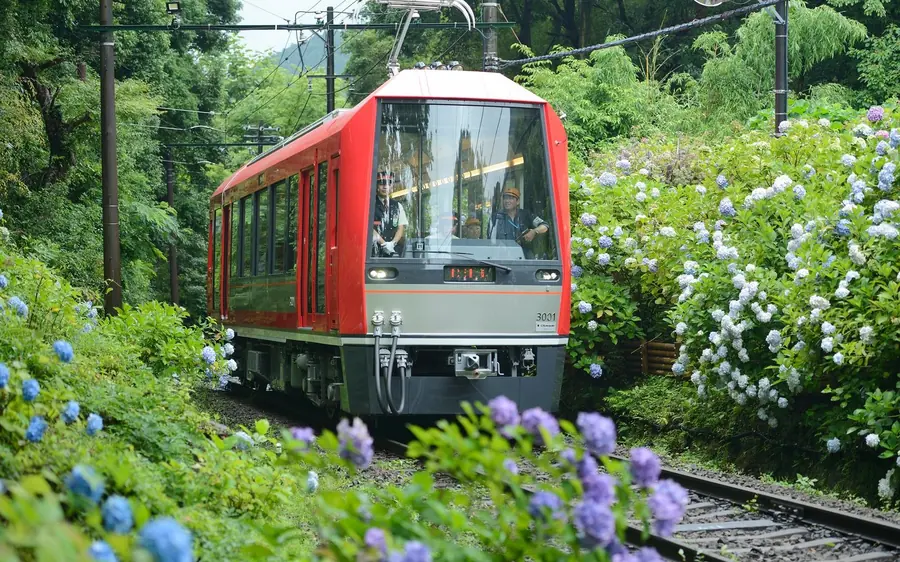
Lowest price here2 or 3 days
2 daysHakone: Train Pass with Unlimited Rides & Activity Discounts
★ 4.3 · 181 reviews
- Hakone: Train Pass with Unlimited Rides
- Local trains and buses
- Cheapest here
- Free cancellation
$45$0.94 / hour
Check availability→ Traditional ryokan
A traditional ryokan Hakone keeps is not a hotel with a Japanese theme. It is a floor you sleep on, a robe you are handed at the door, a dinner served course by course at a set hour, and a bath fed by the hot springs under the valley. Understanding that in advance changes what you book and when: we sell the day tours and the pass that get you here and move you around, from $45 for the pass upward, and this page explains the night that sits between them. Room rates are not ours to quote, and we say so plainly below.
Quick answer
The short answer. A traditional ryokan Hakone offers is defined by five things: tatami floors, a futon laid out after dinner, a yukata robe, a kaiseki dinner and a hot spring bath. What that costs depends entirely on the season, and because we book tours rather than rooms we will not invent a figure for you. What we can price is the travel around the stay: $45 covers unlimited rides on most local trains and buses for two or three consecutive days plus discounts at over seventy sights, and $55 is the cheapest full day out of the city, with 8,054 reviews at 4.6. Free cancellation applies on all of them.
The five things
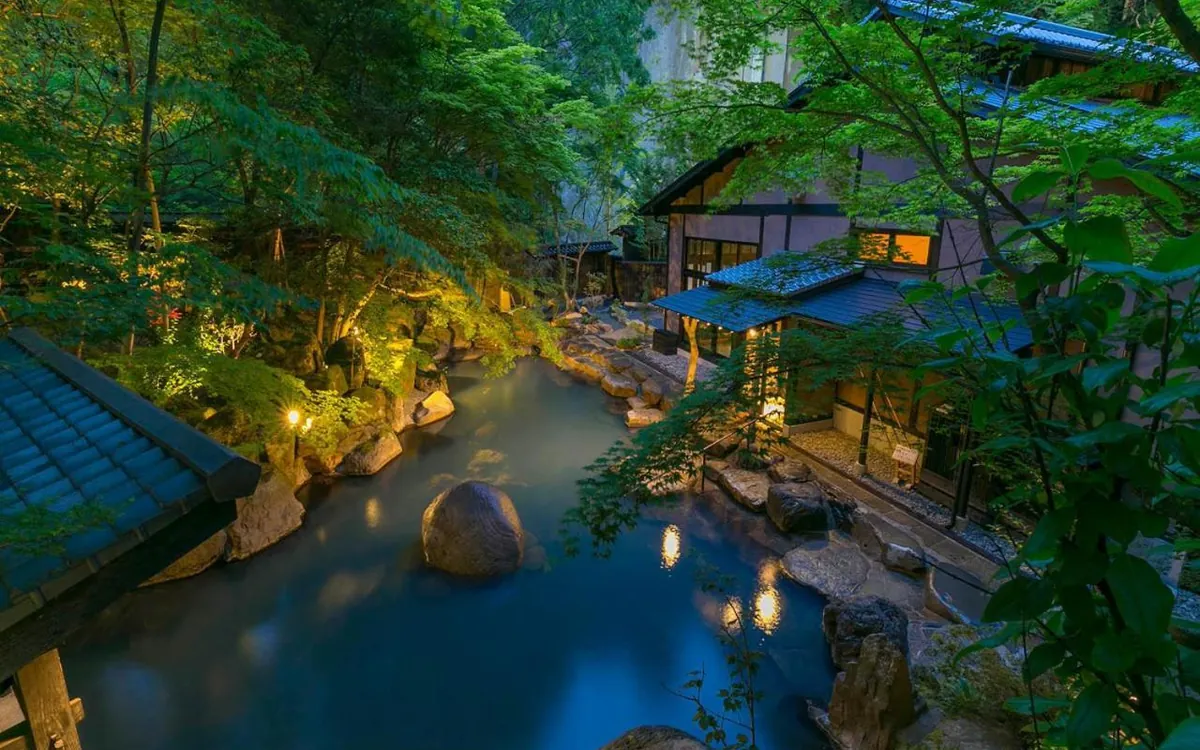
Start with the floor. A Hakone traditional ryokan room is floored in tatami, woven rush mats laid in a fixed grid, and the room is measured in mats rather than in square metres. Shoes come off at the entrance, slippers come off again at the edge of the tatami, and the low table in the middle is where you are served tea when you arrive. Searches like ‘traditional ryokan tatami room Hakone’ and ‘traditional Japanese ryokan room Hakone’ are both asking the same practical question: how much space is it. Eight to ten mats is a common answer for two people.
Second, the bed. There is no bed. Staff lay out a futon on the tatami while you are at dinner, and fold it away while you are at breakfast, which is why the room feels twice as large by day. Third, the yukata: a cotton robe left in the room, worn to dinner, worn to the bath, and worn along the corridor without anybody blinking. Fourth, the dinner, served as a sequence of small courses at a time the house sets rather than a time you choose. Fifth, the bath, fed from the hot springs the valley is built on.
Put those together and you have the whole idea. The traditional ryokan Hakone is known for is not a room you sleep in between two days of sightseeing; it is the evening itself. That is also why the arithmetic of a visit changes once you decide to stay. A day tour has to be back in the city by night, so it spends four of its ten hours on the road. A night in a traditional ryokan Hakone side of the mountains gives those four hours back to the valley.
One honest caveat before we go further. People ask which is the best traditional ryokan in Hakone, and there is no single answer we would stand behind: the valley is long, the inns differ by bath, by view and by how many rooms they have, and we do not inspect them. What we can be precise about is what a stay is like in outline, and what it costs to move around once you are here.
Compared
Neither column is better than the other. They are different products, and knowing which one you have booked prevents most of the surprises.
| What | At a traditional inn | At a city hotel |
|---|---|---|
| The roomFloor and furniture | Tatami mats, a low table, sliding doors, sized in mats | Carpet or boards, a bed, sized in square metres |
| SleepingWho makes the bed | A futon laid out on the tatami after dinner and folded away by morning | A bed, made once, there all day |
| What you wearIn the corridor | A yukata robe provided in the room, worn to dinner and to the bath | Your own clothes |
| DinnerAnd the clock | Kaiseki: many small seasonal courses, at an hour the house sets | A restaurant menu, whenever it is open |
| The bathWhere the water comes from | Hot spring water in shared baths, sometimes in the room as well | A shower in the bathroom |
| What we sell for itOn this site | The pass, $45, for two or three days of local movement | A day tour from $55 that returns you to the city |
Dinner and the bath
Kaiseki is the reason dinner has an hour rather than a window. It is a set sequence of small seasonal courses, cooked to arrive in order, and a kitchen doing that for a house full of guests cannot let everyone drift in at will. Expect to be asked, at check-in, which sitting you want, and expect that to be the fixed point your evening is built around. Our own listings run to their own clocks too: the days that ride the Shinkansen back, such as $115 with 1,689 reviews at 4.3, exist precisely because a fixed end time is worth money to people.
The bath is the other half. Hakone sits in a caldera and the hot water comes up through it, which is why inns cluster where they do — along the valley floor from Hakone-Yumoto up through Gora, and around the lake. A Hakone Yumoto traditional ryokan is the easiest kind to reach on the train from the city, and the densest concentration of houses in the valley. Higher up, the rooms thin out and the views open.
Shared baths are separated by gender, taken without clothing, and taken after you have washed at the taps outside the tub. That is the part visitors most often get wrong: the bath is for soaking, not for cleaning. Small towels stay out of the water. Read it once and the bath at a traditional ryokan Hakone stops being a puzzle. None of this is difficult, but all of it is easier if you read it before you are standing in a changing room working it out from context.
If you would like a version of this without committing to a night, one listing gets close. $318 is a private day that names quieter viewpoints, Lake Ashi, Hakone Shrine and time in an onsen, and it is the only listing on this site rated 5.0, across 147 reviews. It is not a traditional ryokan Hakone stay and we would not pretend otherwise, but it does put you in the water and get you home the same day.
Winter
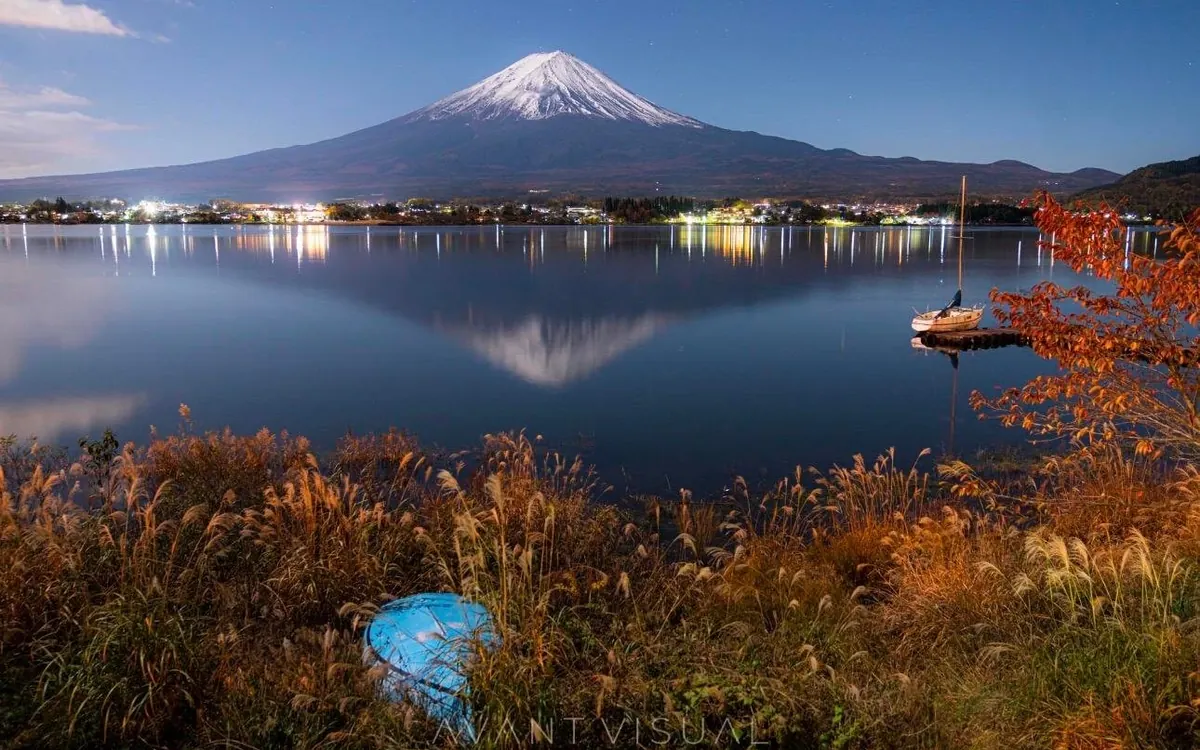
A Hakone ryokan winter night is the one most people describe afterwards. The air is cold enough that the steam off an outdoor bath is visible from across the garden, the valley is quiet because the leaf crowds have gone home, and the mountain behaves. That last point matters more than it sounds: Mount Fuji is clearest in the cold half of the year, when the summer haze is gone, and the listings that sell the mountain sell it best then.
Snow in Hakone is a matter of altitude. The valley floor around Hakone-Yumoto gets less of it than Gora and the high ground near Owakudani, and a morning that looks merely grey at the station can be white by the time the mountain railway has climbed. Roads and ropeways can close in bad weather, which is a practical argument for the pass rather than a fixed booking: $45 covers unlimited rides on most local trains and buses for two or three consecutive days, so a plan that fails on Tuesday costs you nothing extra to repeat on Wednesday.
If you are coming out from the city for a single winter day instead, $152 is our top pick: the Mount Fuji 5th Station, a cruise on Lake Ashi, lunch below the mountain and the bullet train back, rated 4.4 across 5,333 reviews. Note that mountain-road access to the fifth station is seasonal, so read the listing for the date you want. The cheapest full day, $55 with 8,054 reviews at 4.6, stays lower and names Hakone Shrine, Lake Ashi, Lake Yamanaka, Owakudani and a panoramic cable car.
Tattoos
Many bathhouses and inns in Japan ask guests with visible tattoos not to use the shared baths. The rule is old, it is not applied identically everywhere, and the polite way to find out is to ask the house directly before you book rather than to arrive and hope. Some places say no, some allow small tattoos under a cover patch, and some have dropped the rule entirely. There is no register we could point you at, and we would rather say that than guess.
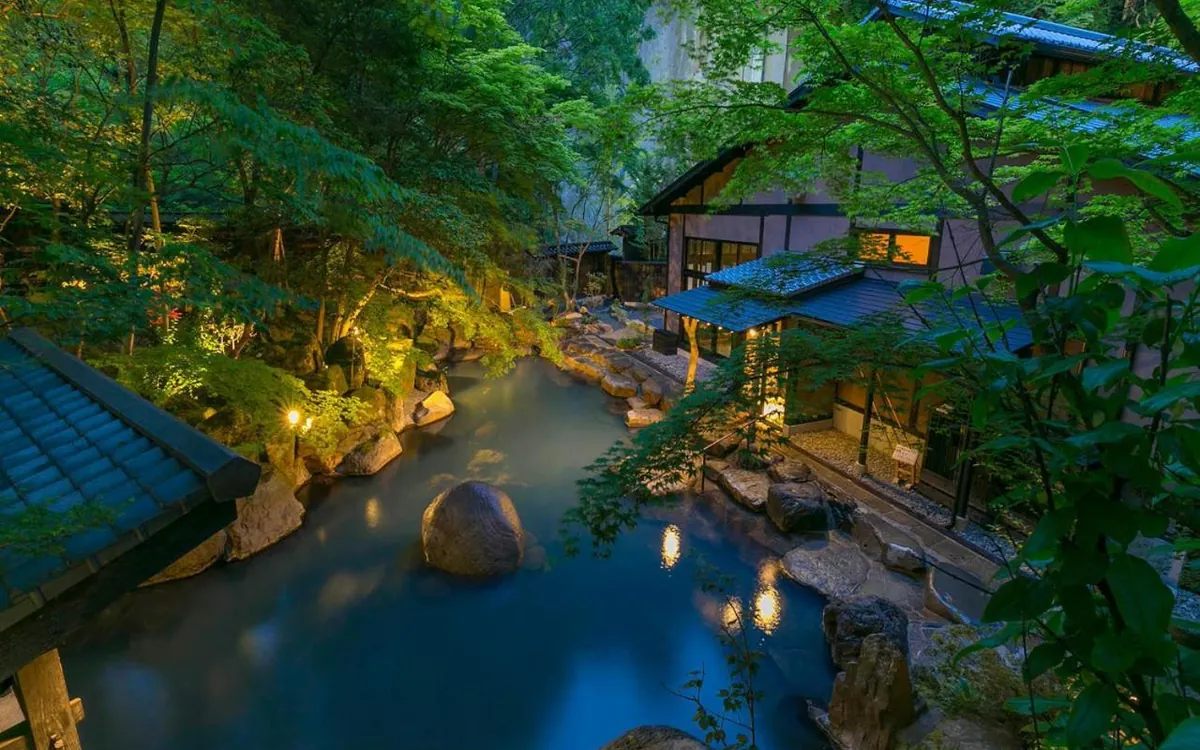
What we can tell you is the workaround, because it is the same everywhere: book a private bath. A tattoo friendly ryokan Hakone visitors recommend to each other is very often simply a house with baths you can reserve for your own party, or rooms that have their own. In a private bath the question does not arise, and that is why so many searches that start with tattoos end with a room that has its own tub on the terrace.
Two practical notes. Reservable baths are usually booked at check-in in half-hour or hour slots, so the earlier you arrive the better your choice of time. And a room with its own bath is the least constrained option of all, because nobody is holding a slot for you. That is a more expensive room, and rates for it move with the season, which is the one number we keep declining to invent.
Couples
What the room with its own tub actually changes about an evening, without any promises we cannot back up.
A Hakone ryokan couple booking with its own bath means no slot to reserve and no changing room to share. You go in when dinner ends, or at six in the morning.
Shared baths are separated by gender, so a couple using them does not share the experience. A bath attached to the room is the version where you do.
The same reservation solves both problems at once, which is why the two searches so often lead to the same kind of room.
Some houses serve the kaiseki courses at the low table in your room rather than in a dining hall. Ask when you book; it is not offered everywhere.
Rooms with their own hot spring bath are the first to go, particularly in the leaf weeks. We do not quote rates, but we will say this: decide early.
$45 covers local trains and buses for two or three days, and $318 is a private day that includes time in an onsen, rated 5.0 across 147 reviews.
Booking order
The sequence that works is: pick the nights first, then the transport, then the day out. Inns have few rooms and sell out long before coach seats do, so the room is the constraint. A traditional ryokan Hakone night is the fixed point; everything else bends around it. Once the dates are set, the pass or the tour slots in, and both carry free cancellation on this site if something moves.
If you are staying two nights, the pass is the obvious companion. $45 is the lowest price on this site and the only listing here that is not a tour: unlimited rides on most local trains and buses for two or three consecutive days, with discounts at over seventy sightseeing facilities, at 4.3 across 181 reviews. It lets you ride the loop in either direction, take the boat when the light is good rather than when a coach arrives, and go back up to Owakudani if the first look was clouded.
If you are staying one night and want the mountain as well, do the mountain on the day you arrive. $152 takes in the Mount Fuji 5th Station and a Lake Ashi cruise with the bullet train back, and $50 is the best-rated day here at 4.9 across 1,049 reviews, covering Hakone Shrine, the pirate ship, the Ropeway, Owakudani and Swan Beach. Then check in and let the evening be the evening.
A last word on the phrasing people use. Searched from abroad it is usually Hakone ryokan Japan, or a traditional Japanese ryokan Hakone visitors have seen in a photograph; searched from inside the country it is usually the name of a single house. They all describe the same thing, and the thing they describe is a room, a bath and a dinner, in a valley about ninety minutes from Tokyo.
The bath is the half of this that people plan hardest, and it has its own page: what a room with its own hot spring tub changes, and who it is worth it for.
Read about rooms with their own bath→Every trip, current fare
The whole shelf on one scale, from the lowest price upward, with the cost per hour and the review history behind each one. Nothing is hidden and nothing is weighted. Room rates are not on it, because we do not sell rooms.
| Tour | Length | Price | What the listing includes | Cost per hour | Rating |
|---|---|---|---|---|---|
| Hakone: Train Pass with Unlimited Rides & Activity DiscountsThe pass, if you stay the night | 2 days | $45 | Unlimited local trains and buses for 2 or 3 days, discounts at over 70 sights | $0.94 | 4.3 · 181 |
| Tokyo: Mt Fuji & Hakone Ropeway, Lake Ashi Cruise, OwakudaniBest rated day on the site — 4.9 | 1 day | $50 | Hakone Shrine, the pirate ship on Lake Ashi, the Ropeway, Owakudani, Swan Beach | $5.00 | 4.9 · 1,049 |
| Mt. Fuji & Hakone Tour: Arakurayama, Oshino Hakkai, OwakudaniTwo sides of Fuji in one day | 10 h | $50 | Arakurayama pagoda view, Oshino Hakkai, Lake Ashi cruise, Ropeway, Owakudani | $5.00 | 4.8 · 549 |
| Tokyo: Hakone & Enoshima Tour, Owakudani Ropeway, Mt Fuji ViewHakone plus the coast at Enoshima | 10 h | $50 | Lake Ashi pirate ship, Ropeway over Owakudani, Enoshima beaches and seafood | $5.00 | 4.8 · 114 |
| Tokyo: Mt. Fuji Tour, Hakone Ropeway, Owakudani, Lake AshiLowest fare for a full day out | 10 h | $55 | Hakone Shrine, Lake Ashi, Lake Yamanaka, Owakudani and a panoramic cable car | $5.50 | 4.6 · 8,054 |
| Mt. Fuji & Hakone Day Tour with Lake Ashi Cruise and RopewayRopeway, lake and Oshino Hakkai | 10 h | $66 | Ropeway over the valley, Oshino Hakkai, pirate ship, the torii gate in the water | $6.60 | 4.7 · 133 |
| Tokyo: Mt. Fuji Cruise & Hakone Ropeway Day Trip by BusBuilt around the cruise and the torii | 10 h | $85 | A scenic cruise with Mt. Fuji in view and the torii gate photo stop | $8.50 | 4.8 · 109 |
| Tokyo: Mt. Fuji 5th Station, Gotemba & Hakone by Luxury BusTwelve hours, Gotemba included | 12 h | $92 | Mt. Fuji 5th Station, Gotemba, the cable car and the cruise, wheelchair accessible | $7.67 | 4.4 · 91 |
| Tokyo: Mt Fuji & Hakone 6 Spots Tour w/ Bullet TrainSix stops and the Shinkansen back | 10 h | $109 | Oshino Hakkai, Ropeway, Owakudani, Lake Ashi, Hakone Shrine, Odawara Castle | $10.90 | 4.3 · 753 |
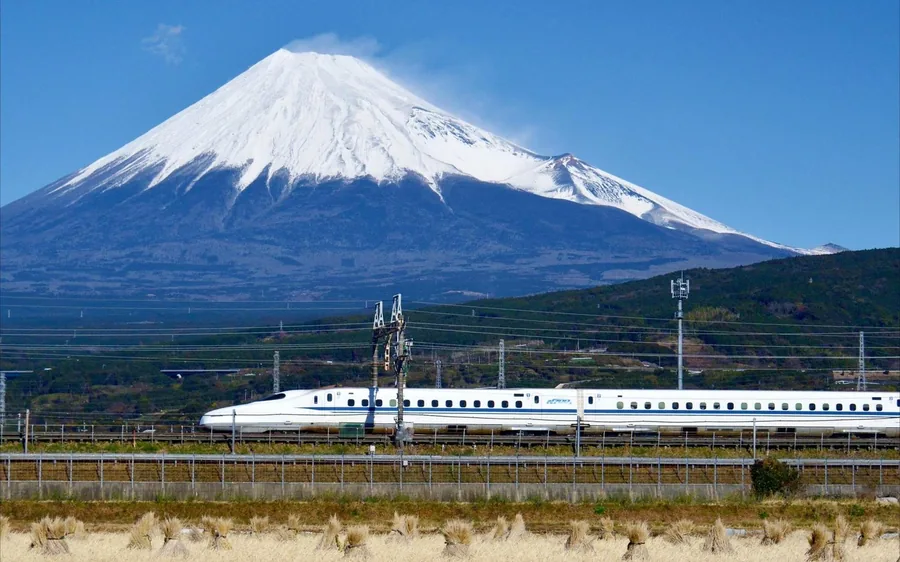
| From Tokyo: Mt. Fuji & Hakone Tour w/ Return by Bullet TrainShinkansen back, a meal included | 10 h | $115 | Owakudani, the Ropeway, a Lake Ashi cruise, a meal, Shinkansen back to Tokyo | $11.50 | 4.3 · 1,689 |
| Tokyo: Mt. Fuji 5th Station & Hakone Cruise 1-Day Bus TourEleven hours, starts at Fujinomiya | 11 h | $127 | Mt. Fuji 5th Station, a Lake Ashi cruise and a cable car ride over Hakone | $11.55 | 4.3 · 2,416 |
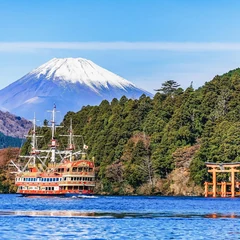
| Tokyo Mt Fuji 5th Station & Hakone Cruise Bus Tour w/Bullet TrainOur top pick — 5,333 reviews | 10 h | $152 | Mt. Fuji 5th Station, Lake Ashi cruise, lunch below Fuji, bullet train back | $15.20 | 4.4 · 5,333 |
| Tokyo: Mt. Fuji and Hakone Day Tour, Lake Kawaguchiko, ArakurayamaPrivate, with the Chureito pagoda | 10 h | $307 | Chureito Pagoda, Lake Kawaguchi, Oshino Hakkai; Route B adds Hakone | $30.70 | 4.9 · 170 |
| Tokyo: Mt. Fuji & Hakone Private Custom Tour with an English DriverPrivate car, most reviewed of them | 10–11 h | $309 | A private car with an English-speaking driver and an itinerary you set | $29.43 | 4.8 · 773 |
| From Tokyo: Private Tour to Fuji/Hakone - Onsen, Art, NaturePrivate day with an onsen stop | 10 h | $318 | Quieter viewpoints, Lake Ashi, Hakone Shrine and time in an onsen | $31.80 | 5 · 147 |
| Tokyo: Private Mount Fuji & Hakone Customizable TourPrivate car, hotel pickup included | 10 h | $339 | A professional English-speaking driver and hotel pickup, route up to you | $33.90 | 4.9 · 129 |
| Tokyo to Mt. Fuji & Hakone: Private Customizable Day TourPrivate luxury car, up to 12 hours | 10–12 h | $394 | A private luxury car with your own driver, wheelchair accessible | $35.82 | 4.9 · 84 |
| From Tokyo: Private Mt. Fuji and Hakone Tour by CarPrivate car with Gotemba Outlets | 10 h | $476 | Yamanakako, Owakudani, Lake Ashi, Hakone Shrine, Gotemba Outlets, 5th Station optional | $47.60 | 4.9 · 63 |
| Tokyo: Mount Fuji & Hakone Private Tour with GuideA guide as well as a driver | 11 h | $667 | A private day with a guide as well as a driver, pickup included | $60.64 | 4.9 · 83 |
Book direct
The pass for anyone staying the night, the cheapest full day, the best-rated day, our top pick with the train back, the private day with an onsen stop, and the version that includes a meal.
★ 4.3 · 181 reviews
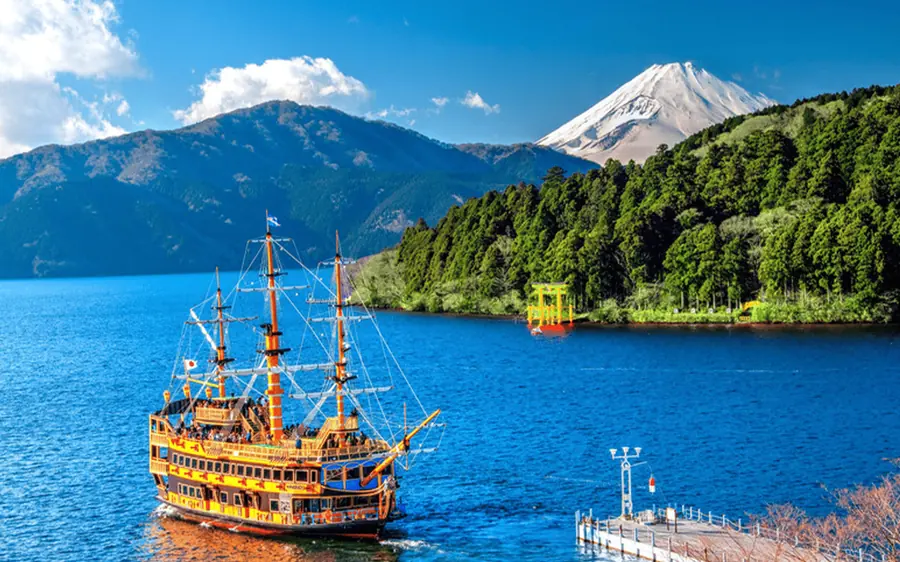
★ 4.6 · 8,054 reviews
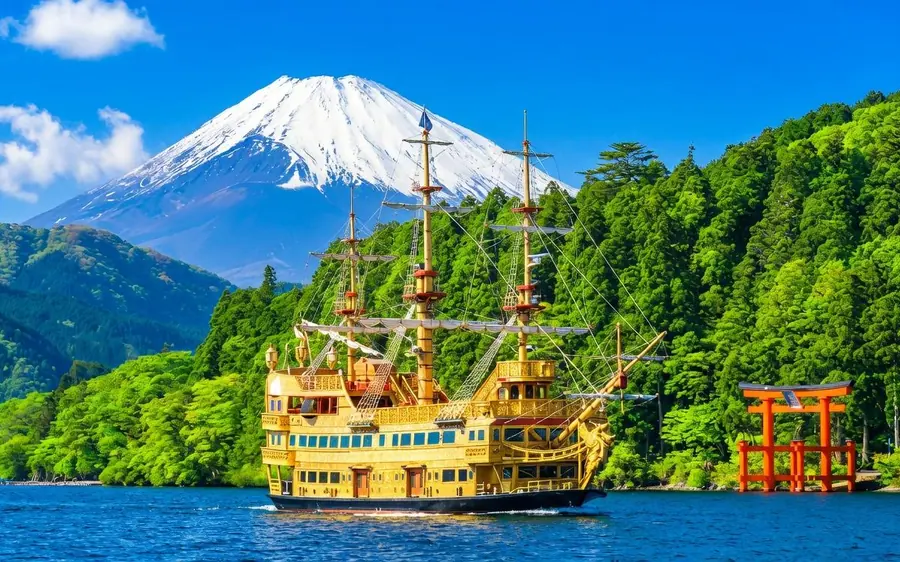
★ 4.9 · 1,049 reviews
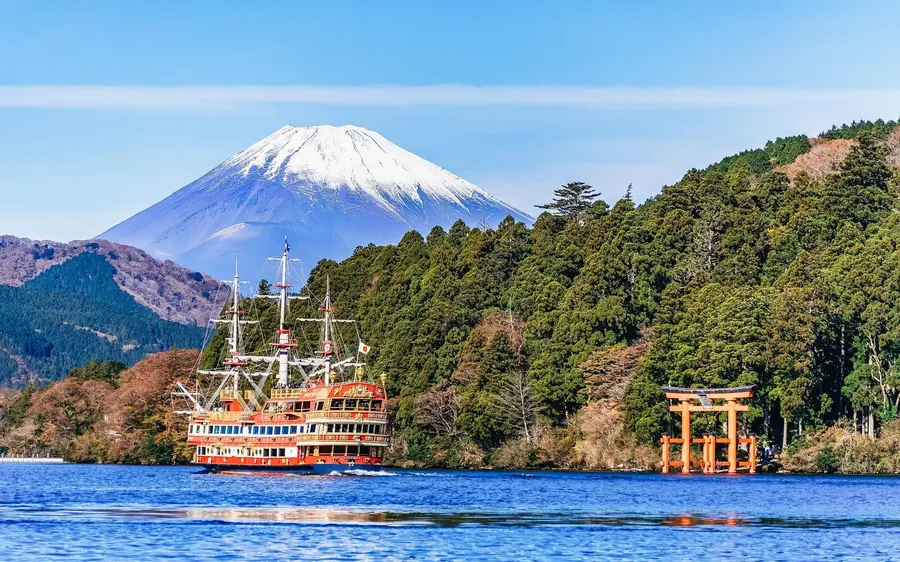
★ 4.4 · 5,333 reviews
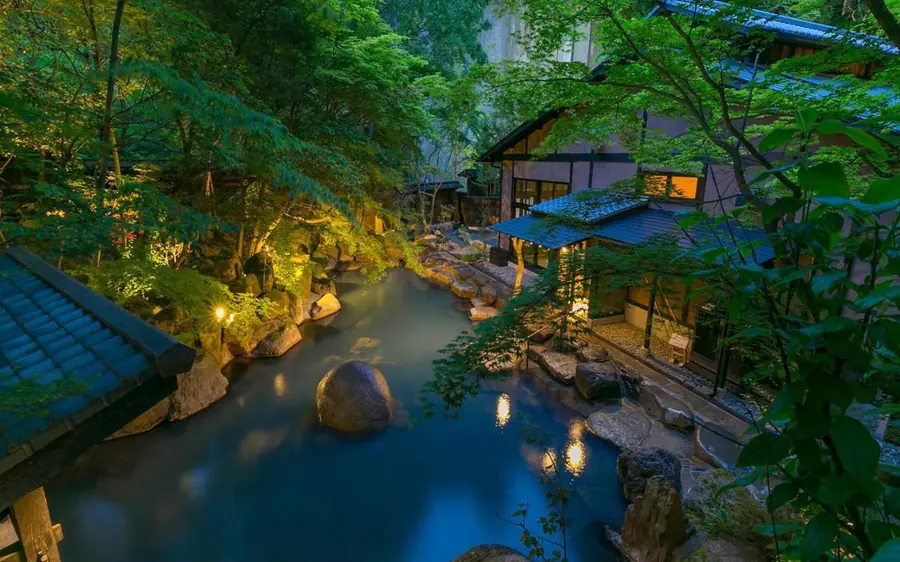
★ 5 · 147 reviews
★ 4.3 · 1,689 reviews
Common questions
Five things: tatami floors, a futon laid out after dinner rather than a bed, a yukata robe provided in the room, a kaiseki dinner at an hour the house sets, and hot spring baths. The room is sized in mats and the evening runs to the kitchen’s clock.
We will not put a number on it. We sell tours and passes, not rooms, and inn rates move a long way with the season — the autumn leaf weeks and the New Year period are the busiest. The advice worth acting on is to decide your dates early. What we do price is the travel: $45 for the pass, or a day out from $55.
Many houses ask guests with visible tattoos not to use the shared baths, and the rule is not applied identically everywhere, so ask the house before booking. The reliable answer is a reservable private bath or a room with its own tub, where the question does not come up.
The cold months are quiet, the steam off an outdoor bath is at its most visible, and Mount Fuji is clearest once the summer haze has gone. Snow is heavier on the high ground than on the valley floor, and ropeways can close in bad weather, so $45 suits a winter visit better than a single fixed booking.
$45 covers unlimited rides on most local trains and buses for two or three consecutive days plus discounts at over seventy sights. If you want the mountain as well, do it on your arrival day with $152, our top pick at 4.4 across 5,333 reviews.
Go deeper
Every way to reach Fuji in a day, compared by what you actually see.
Fuji day tripLeaving Tokyo in the morning and being back by night — what fits.
Hakone day tripThe loop through Owakudani and Lake Ashi in a single day.
Onsen ryokanWhat an onsen ryokan night adds to a Hakone trip, and what it costs.
Luxury ryokanThe high end in Hakone, and what the money actually buys.
Private onsenRooms with their own bath, and why people book months ahead.
Tokyo Mt Fuji 5th Station & Hakone Cruise Bus Tour w/Bullet Train
★ 4.4 · 5,333 reviews · Free cancellation 24 h