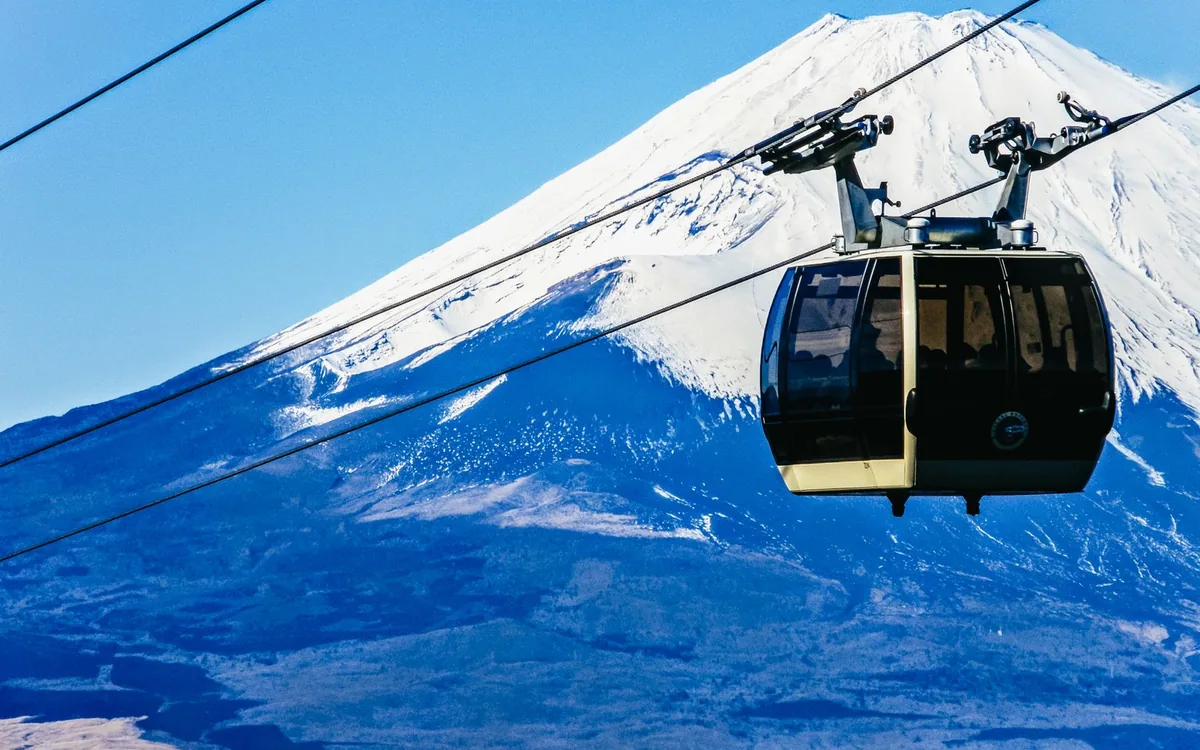
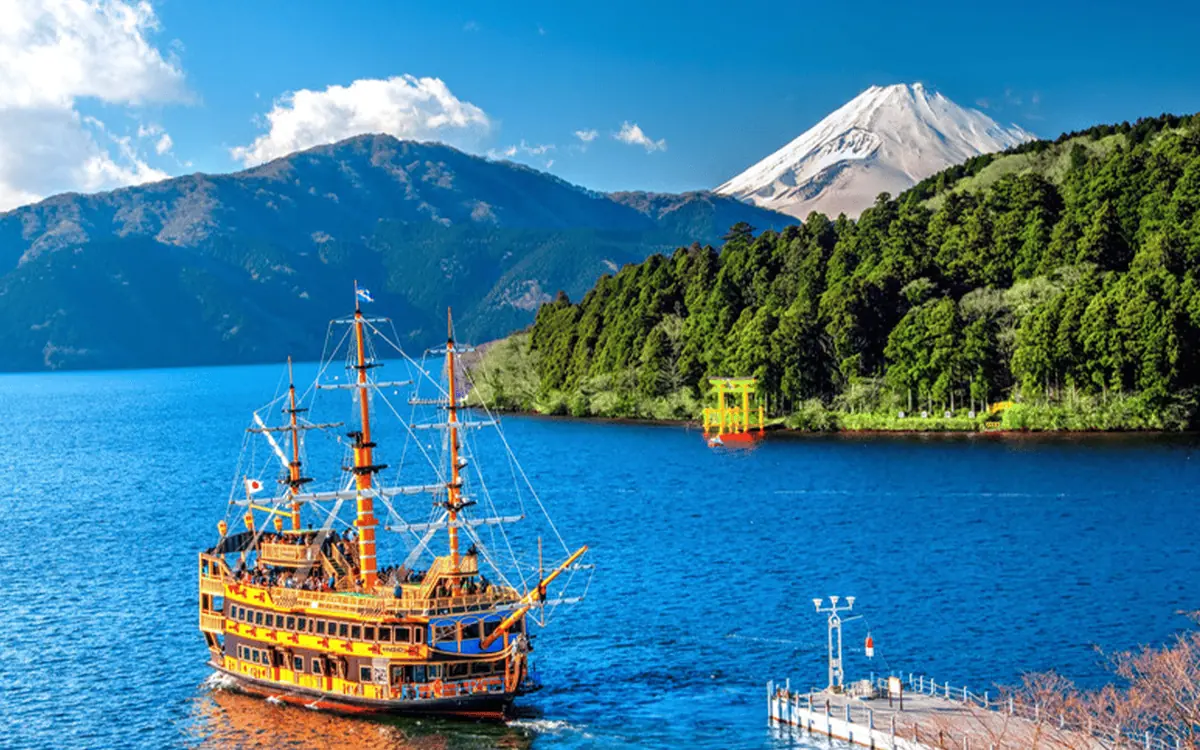
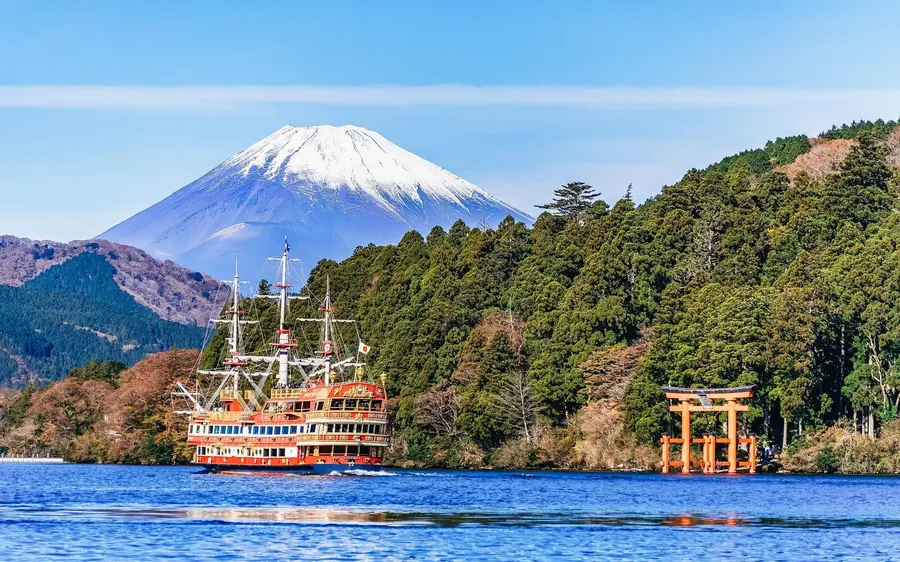
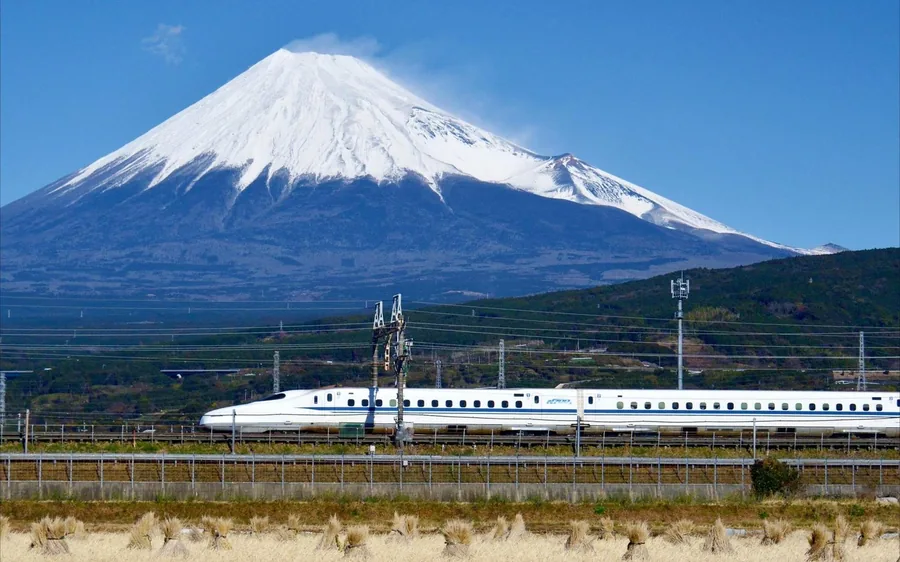
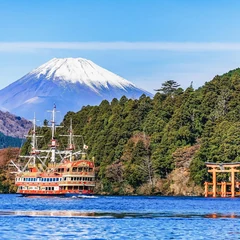
Tokyo Mt Fuji 5th Station & Hakone Cruise Bus Tour w/Bullet Train
★ 4.4 · 5,333 reviews
- Ten hours, on Lake Ashi
- Return to Tokyo on bullet train
- Lunch at foot of Mt. Fuji
- Free cancellation
Kaiseki dinner
A Hakone ryokan dinner is not a restaurant booking. It is a set meal, included in the room rate, served at an hour the house chooses — usually six or half past — and it quietly decides what you can do with the rest of the day. This page explains what arrives on the table, what half board actually covers, and which of the day tours on this site, from $55 to $152, get you off the mountain in time to sit down for it.

Quick answer
The short answer. If the house is feeding you, do not book a twelve-hour day. A Hakone ryokan dinner is served at an hour set by the kitchen, and the meal is already paid for inside your room rate, so missing it costs you the whole point of staying. Take $55 or $152 on a day when you are not checking in, use $45 to move around the valley on the day you are, and keep the late afternoon clear. A Hakone ryokan dinner rewards an early return more than any other part of the trip.
What you are buying
The meal has a name: kaiseki. It is a sequence of small courses built around what is in season, served in a fixed order, on dishes chosen to match the food. A Hakone ryokan kaiseki dinner room service arrangement — where the whole sequence is carried to your table on the tatami — is the version most people have in mind when they picture a night in the mountains, though a great many houses now serve in a dining room instead.
What comes out varies with the month and the house, but the shape is steady: something small to start, sashimi, a simmered dish, a grilled dish, a hot pot at the table, rice and pickles towards the end, then fruit. It is a long meal by design, usually an hour and a half to two hours. Nobody goes out afterwards, and a Hakone ryokan dinner is not something you can hurry through on the way to somewhere else. A Hakone ryokan dinner kaiseki meal is the evening, not a part of it.
Half board is the normal arrangement in the valley and it is the thing that confuses visitors most. The rate you are quoted for a room generally includes this dinner and breakfast the next morning, priced per person rather than per room. That is why two people in one room pay roughly twice what one does, which looks odd until you realise you are buying four meals. We do not quote room rates on this site, because we do not sell rooms and we are not going to guess at numbers; the prices on this page are tour prices, straight off the GetYourGuide listings.
The practical part is the clock. A Hakone ryokan dinner is served at the hour the house sets, and the kitchen is not open all evening. Six, half past six, seven: those are the usual slots, and you pick one when you arrive. Everything else on this page follows from that single fact.
Every trip, current fare
Five bus tours from Tokyo, ten to twelve hours each. Read the length column first: a twelve-hour day that starts at eight in the morning does not put you in a tatami room at six in the evening. The cost-per-hour column is there because these days differ in length as much as in price.
| Tour | Length | Price | What is included | Cost per hour | Rating |
|---|---|---|---|---|---|
| Tokyo Mt Fuji 5th Station & Hakone Cruise Bus Tour w/Bullet TrainTokyo Mt Fuji 5th Station & Hakone Cruise Bus Tour w/Bullet Train | 10 h | $152 | $15.20 | 4.4 · 5,333 | |
| Tokyo: Mt. Fuji 5th Station & Hakone Cruise 1-Day Bus TourTokyo: Mt. Fuji 5th Station & Hakone Cruise 1-Day Bus Tour | 11 h | $127 | $11.55 | 4.3 · 2,416 | |
| From Tokyo: Mt. Fuji & Hakone Tour w/ Return by Bullet TrainFrom Tokyo: Mt. Fuji & Hakone Tour w/ Return by Bullet Train | 10 h | $115 | $11.50 | 4.3 · 1,689 | |
| Tokyo: Mt Fuji & Hakone 6 Spots Tour w/ Bullet TrainTokyo: Mt Fuji & Hakone 6 Spots Tour w/ Bullet Train | 10 h | $109 | $10.90 | 4.3 · 753 | |
| Tokyo: Mt. Fuji 5th Station, Gotemba & Hakone by Luxury BusTokyo: Mt. Fuji 5th Station, Gotemba & Hakone by Luxury Bus | 12 h | $92 | $7.67 | 4.4 · 91 |

Hour by hour
The order below is the one kaiseki has followed for a long time. Houses vary the contents; they rarely vary the sequence.
Sakizuke. One small dish to open with, often something pickled or dressed, served the moment you sit down. This is the course that tells you what season the kitchen thinks it is.
Sashimi. Raw fish, cut and arranged rather than piled. Hakone is an hour and a half from the coast at Odawara, and the houses lean on that.
The simmered dish. Vegetables and often a piece of fish or meat cooked in broth. Quiet, warm, and the part of a Hakone ryokan dinner that most rewards eating slowly.
The grill. Fish over charcoal, or beef if the house has a local supplier. On the more elaborate menus this arrives on its own small brazier at the table. On most menus it is the centre of a Hakone ryokan dinner and the course the kitchen is judged on.
The hot pot. Lit in front of you, eaten from the pot. It is the course that makes a Hakone hot spring ryokan dinner kaiseki menu feel like a mountain meal rather than a city one.
Rice, soup and pickles. Near the end rather than the beginning, which surprises people the first time. Refills are normal and asking for one is not rude.
Fruit. Cut, seasonal, small. Dessert in the western sense is rare; what you get is whatever the month gives.
Breakfast, the next morning. Grilled fish, rice, miso soup, egg, pickles and often a small hot pot, served early — half past seven to eight. It is the second half of half board, and skipping it wastes something you have already paid for.
Which day fits
Lengths are the operators’ own, measured from pick-up to drop-off in Tokyo. The right-hand column is the one to read if you are checking into a house in the valley on the same date.
| Tour | Length | Price | What that means for the evening |
|---|---|---|---|
| Fuji 5th Station and Hakone cruise with the bullet trainour top pick | 10 hours | $152 | Lunch at the foot of the mountain and a shinkansen back to Tokyo, which is the fastest return of the five. A day to take before you move up to the valley, not on the day you check in |
| Fuji 5th Station and Hakone cruise by busthe 11-hour version | 11 hours | $127 | An hour longer, with 2,416 reviews behind it at 4.3. The extra hour is road time, and it is the hour that would cost you the table |
| Fuji and Hakone with a bullet train return1,689 reviews | 10 hours | $115 | The same idea as our top pick at a lower fare. Rated 4.3, and the train leg again shortens the tail of the day |
| Fuji and Hakone, six spots, bullet trainthe busiest itinerary | 10 hours | $109 | Six stops in ten hours is a full day with little slack in it. Good value, and better on a day when nobody is waiting to serve you |
| Fuji 5th Station, Gotemba and Hakone by luxury busthe longest day here | 12 hours | $92 | Twelve hours with an outlet stop at Gotemba. The most comfortable coach of the five and the least compatible with a fixed dinner hour |

Book direct
The bus tours that end early enough to matter, the pass for anyone staying two or three nights, and the lowest-priced day tour on the site, with the current price, the rating and the number of reviews behind each one.
★ 4.4 · 5,333 reviews
★ 4.3 · 1,689 reviews
★ 4.3 · 753 reviews
★ 4.4 · 91 reviews
★ 4.3 · 181 reviews
★ 4.6 · 8,054 reviews
What to expect
Every point below is either in the listings on this page or in the way the houses in the valley run their evenings.
A Hakone ryokan dinner runs to a slot you pick at check-in. Take the earliest one if you have been out all day; the kitchen is working through a whole house and the later slots run late.
A Hakone traditional ryokan dinner kaiseki menu is planned and shopped for in advance. Tell the house when you book, not when you sit down.
The cotton robe in the room is what people eat in. It is normal, it is expected, and it is why nobody dresses for dinner.
Sake and beer are charged on top of the room rate and settled at check-out. The meal itself is already paid for.
A Japanese ryokan kaiseki dinner Hakone houses serve at your own table is priced above the dining-room version, because someone carries every course up to you.
It applies to every tour on this site. The dinner is part of a room rate held with the house, and its own terms are theirs, not ours.
When to go
Kaiseki is built on what is in season, so the month you come decides what is on the tray. The tours run all year.
Dec–Feb
The strongest season at the table: winter fish, pots lit in front of you and the clearest views of Fuji from the valley. A Hakone onsen ryokan dinner kaiseki menu is at its most generous in these weeks, and the day tours run with fewer people on them.
Mar–May
Spring vegetables appear on the tray and the valley turns green. Long daylight makes the ten-hour tours easier, and the houses are busy without being full.
Jun–Aug
Chilled courses, river fish and lighter cooking. Rain is common in June and heat in August, which is an argument for a shorter day out and a longer evening in.
Sep–Nov
Matsutake, chestnut and the leaf season together. It is the hardest stretch of the year to get a room in, and the tours fill early too, so hold both well ahead.
The verdict
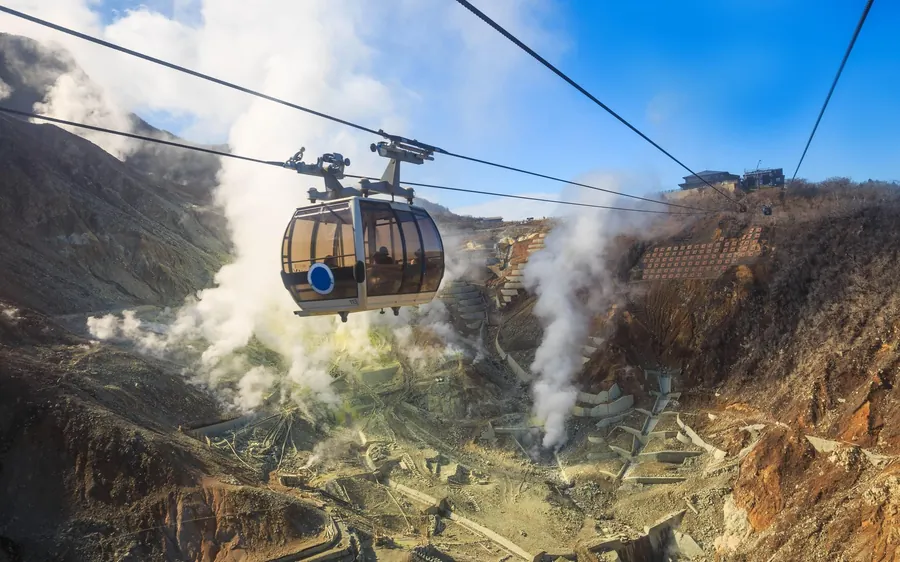
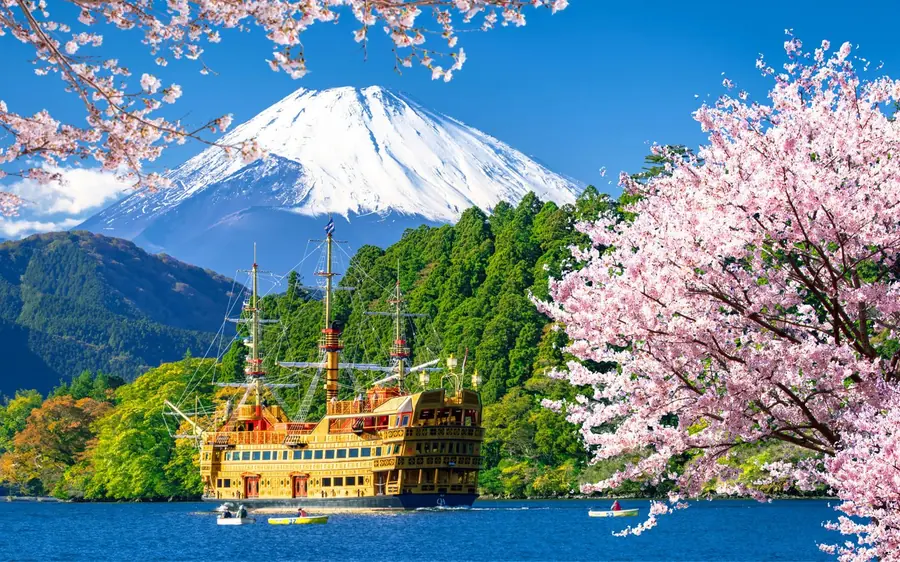
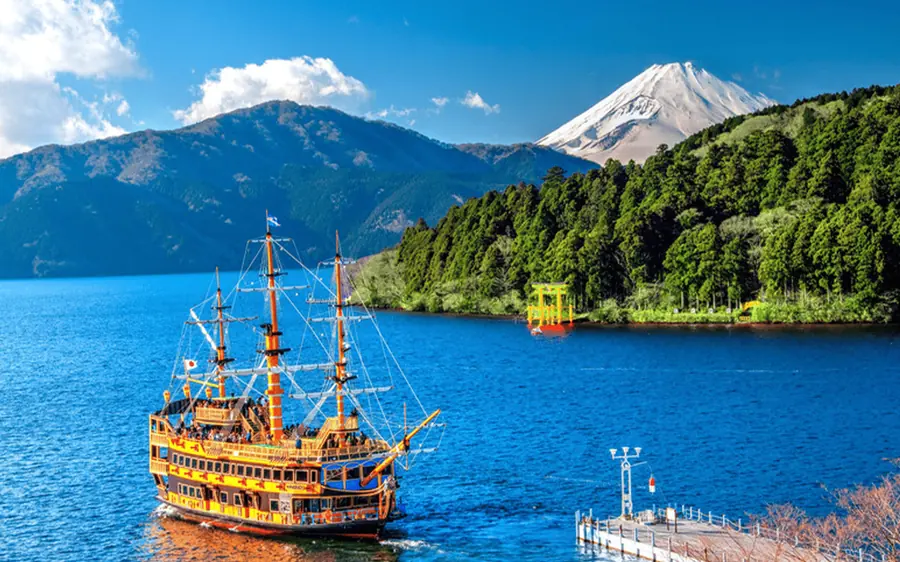
If you want one day that covers the mountain, book $152. Ten hours, rated 4.4 across 5,333 reviews, lunch at the foot of Mount Fuji, a cruise on Lake Ashi and a bullet train back to Tokyo. It is the tour we put first on this site, and the train leg is what keeps it to ten hours.
If the fare decides it, book $55. Ten hours, 4.6 across 8,054 reviews, the ropeway over Owakudani, Hakone Shrine and Lake Ashi, at the lowest day-tour price on the site. More people have reviewed it than any other tour we list.
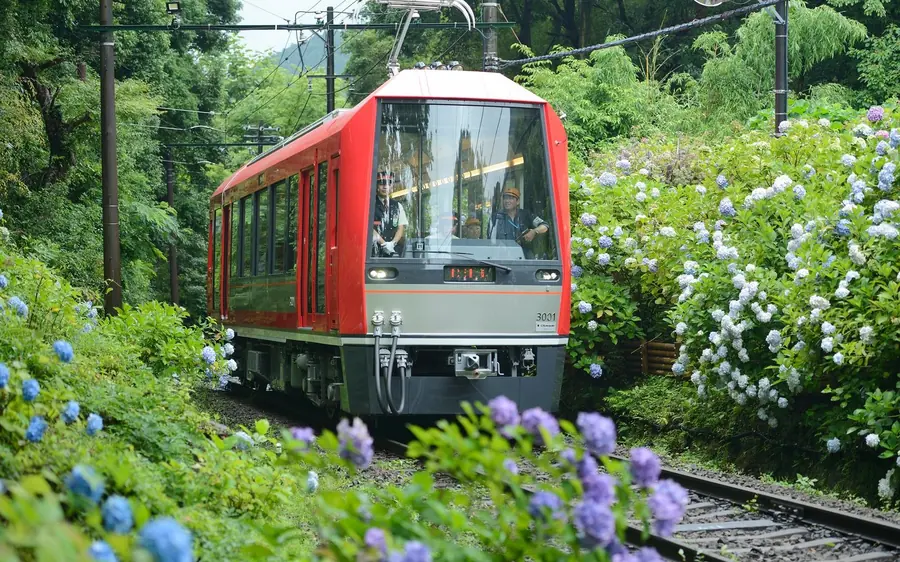
If you are staying in the valley, book $45. Two or three consecutive days of unlimited local trains and buses and discounts at over seventy facilities. It is the piece that lets you go out in the morning, come back in the afternoon, and still be in a yukata by six.
If you want a bullet train at a lower fare, book $115. Ten hours, 4.3 across 1,689 reviews, with the shinkansen on the return leg. The same shape of day as our top pick for less money and a shorter list of stops.
One thing to plan for. A Hakone romantic ryokan dinner is the most photographed part of a night in the mountains and the easiest to lose to a timetable. The houses serve at a fixed hour, the tours on this page run ten to twelve hours from Tokyo, and the two do not overlap. Put the tour on a different date, or use the pass and stay inside the valley on the day you check in.
Unlimited local trains and buses for 2 or 3 days inside the valley, so the afternoon is yours and the evening starts on time. From $45 with free cancellation.
See what the Hakone pass covers→Common questions
Usually, yes. Half board is the standard arrangement in the valley: a traditional Japanese ryokan dinner Hakone houses serve in the evening, plus breakfast the next morning, both inside the rate and both priced per person. It is why the rate roughly doubles for two people in one room. Check the wording when you book, because a few houses now sell the room on its own.
You can, but you will be paying twice. The meal is already inside the rate, most of the valley is not walkable after dark, and the houses ask you to choose a dinner slot when you arrive. A Hakone luxury ryokan dinner kaiseki menu is the reason a lot of people booked the house in the first place.
Tell the house at the time of booking. Kaiseki is planned around what the kitchen buys that week, and vegetarian versions are normal when they are asked for in advance. Turning up on the night with a request is the one way to get a thin meal.
Go deeper
Every way to reach Fuji in a day, compared by what you actually see.
Fuji day tripLeaving Tokyo in the morning and being back by night — what fits.
Hakone day tripThe loop through Owakudani and Lake Ashi in a single day.
Onsen ryokanWhat an onsen ryokan night adds to a Hakone trip, and what it costs.
Luxury ryokanThe high end in Hakone, and what the money actually buys.
Private onsenRooms with their own bath, and why people book months ahead.